Rice Krispies® • Restoring Holiday Magic
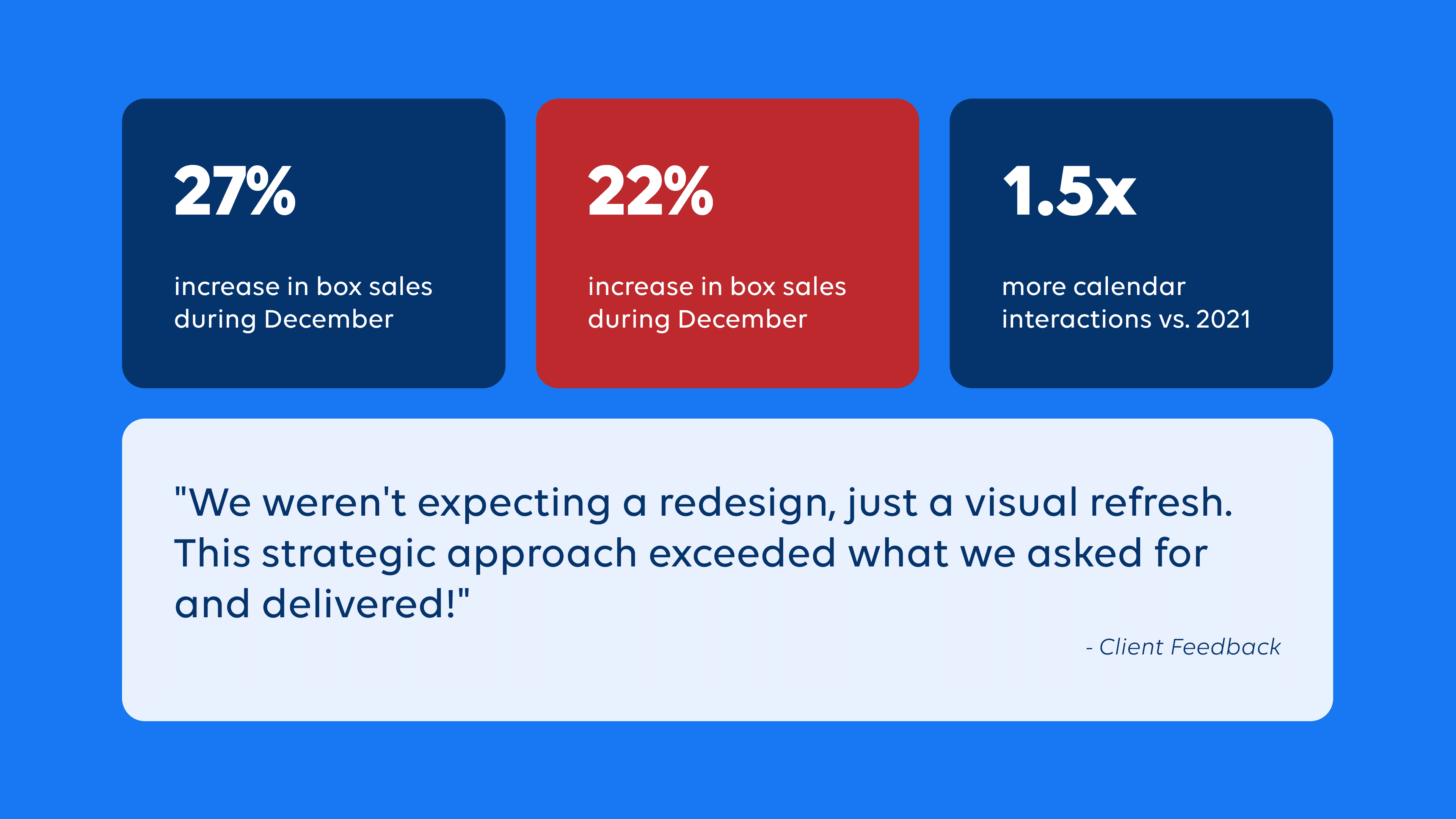
Kellogg's 2021 digital advent calendar succeeded, strong engagement, daily returns, and increased sales. When they returned for 2022 with expanded business goals and behavioural data, the opportunity emerged to transform an already functional experience into one rooted in the ritual and anticipation of a real advent calendar.
Timeline
3 months
Role
Principal Designer
Industry
Food & Beverage
Team
Cross-functional
UX Design
Interaction Design
Visual Design
Understanding what worked,
and what didn't
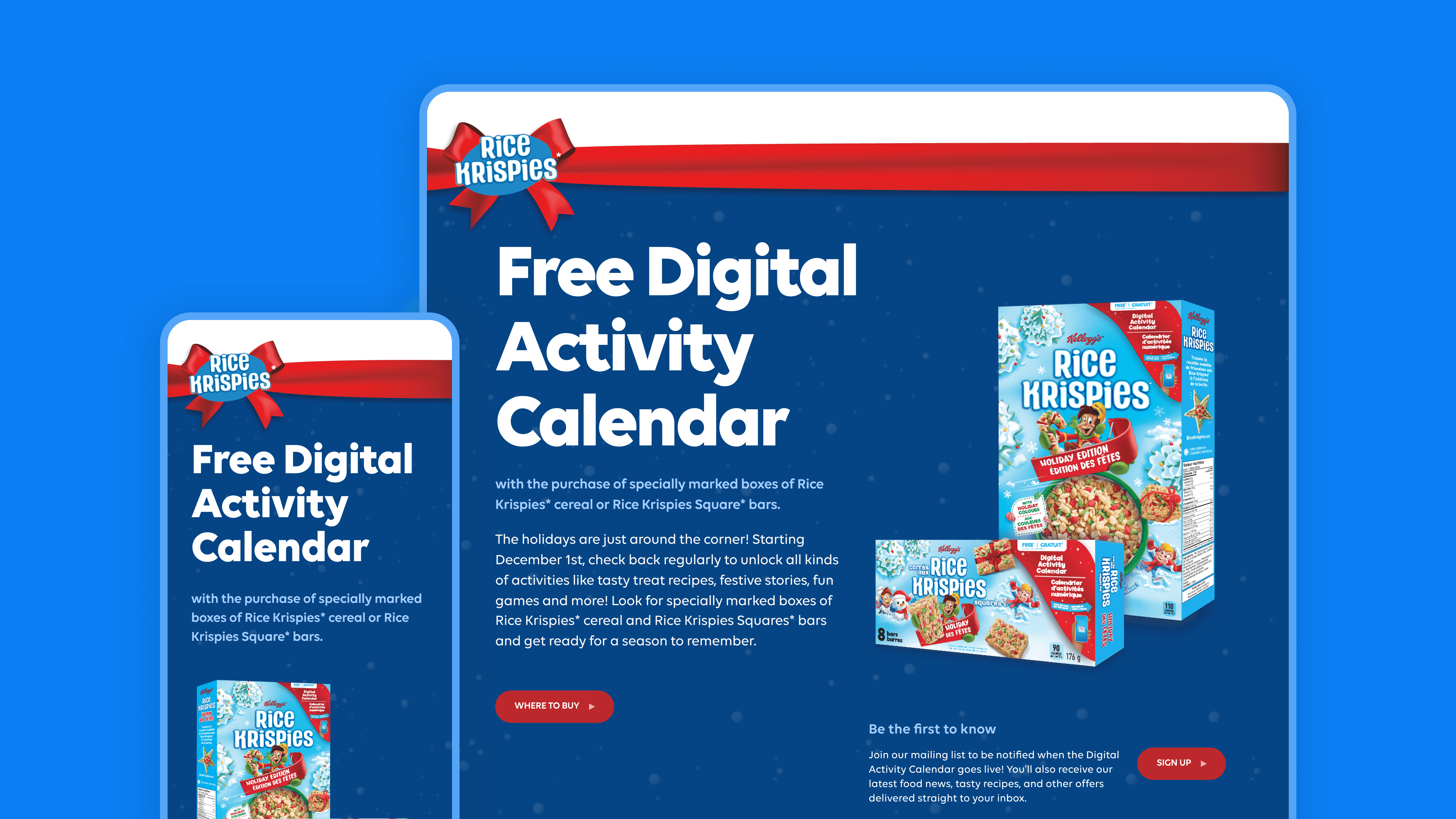
A UX audit of the 2021 experience revealed clear patterns in the behavioural data. Recipe activities significantly underperformed compared to games and crafts. The age gate was not complying with their legal needs. Calendar interaction remained surprisingly low, users lacked interest in interacting with it. Kellogg's 2022 goals compounded the challenge: expand content, increase sales, meet new legal requirements, all while maintaining the holiday magic.
Restoring the ritual
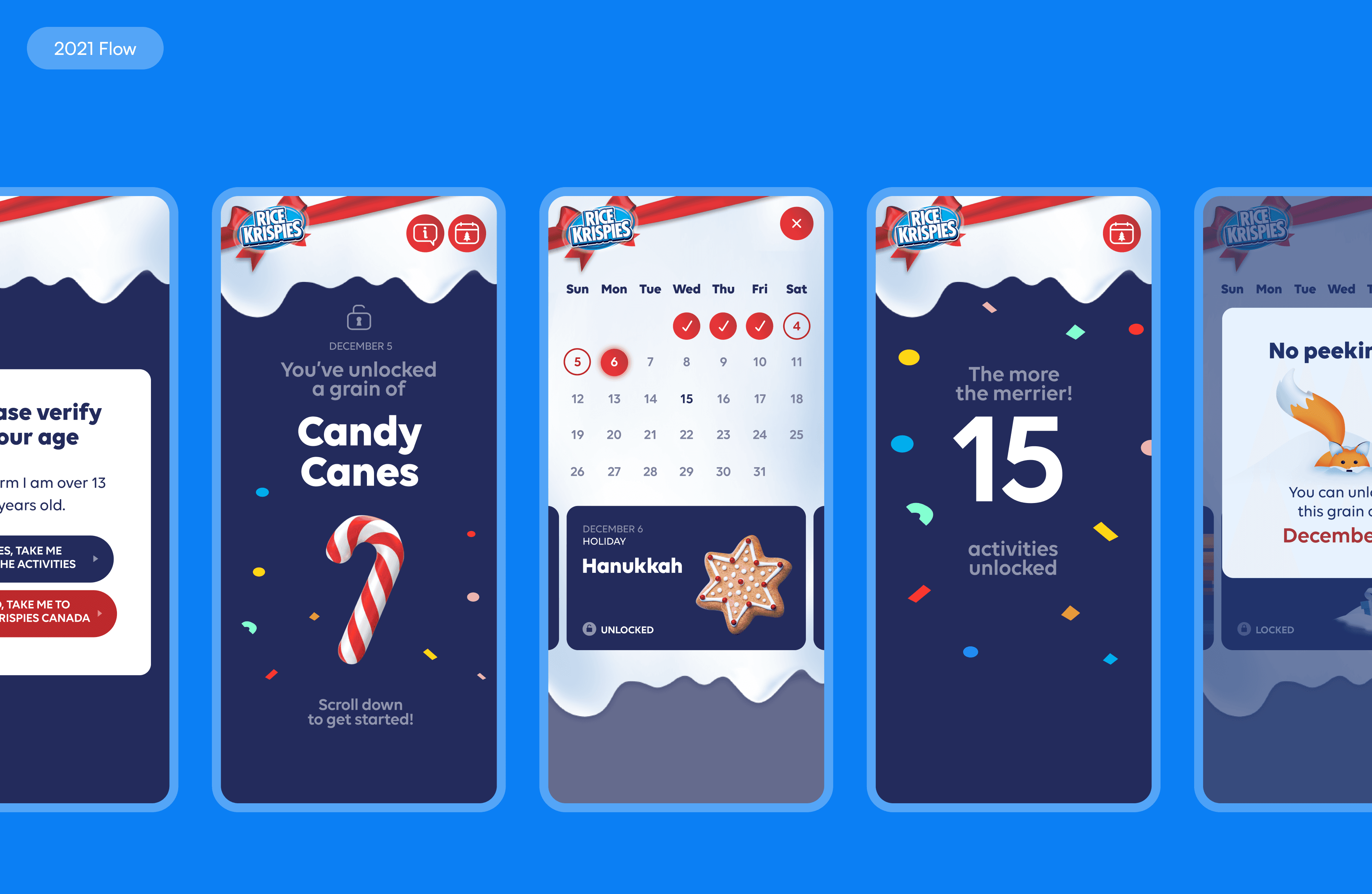
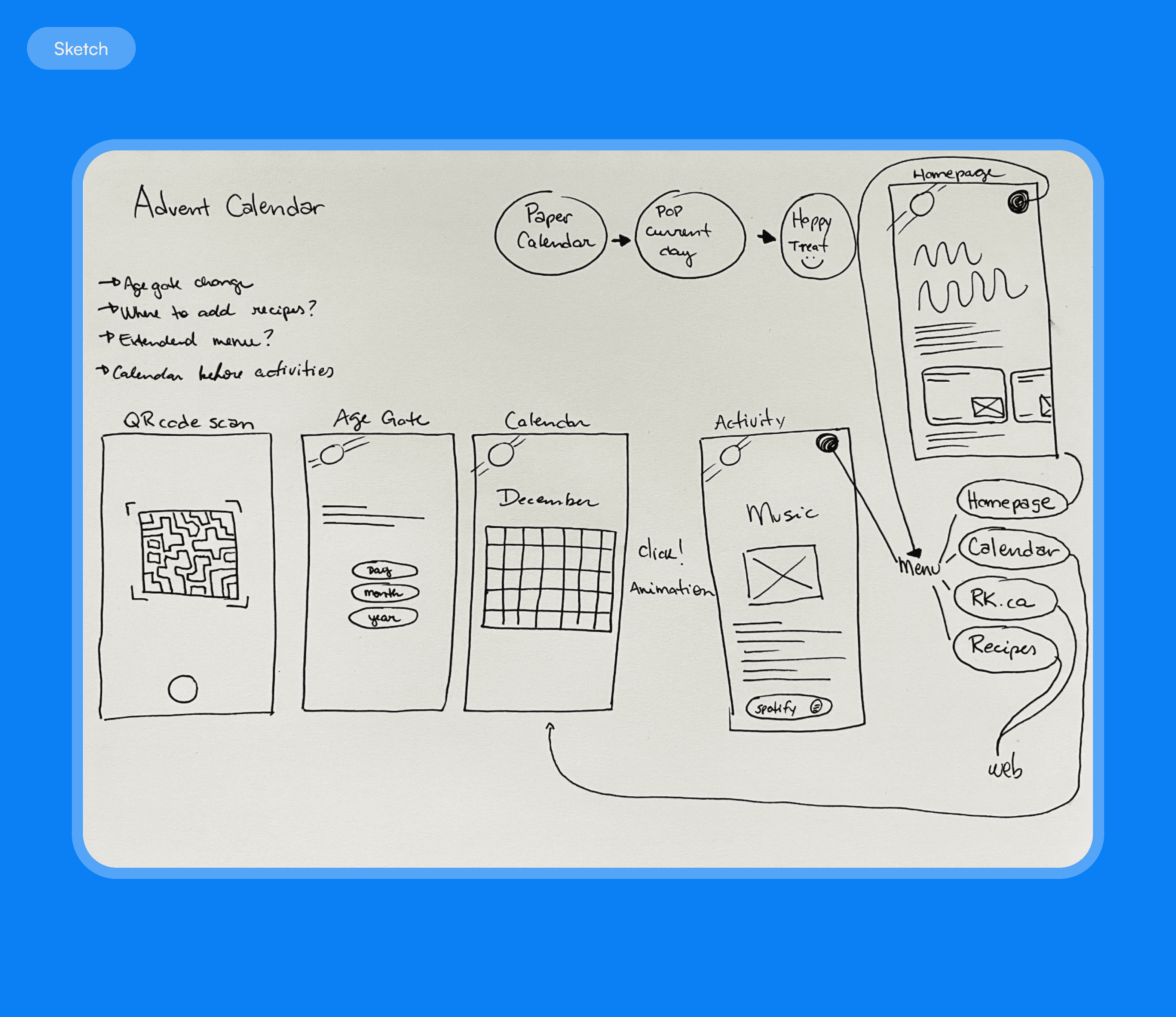
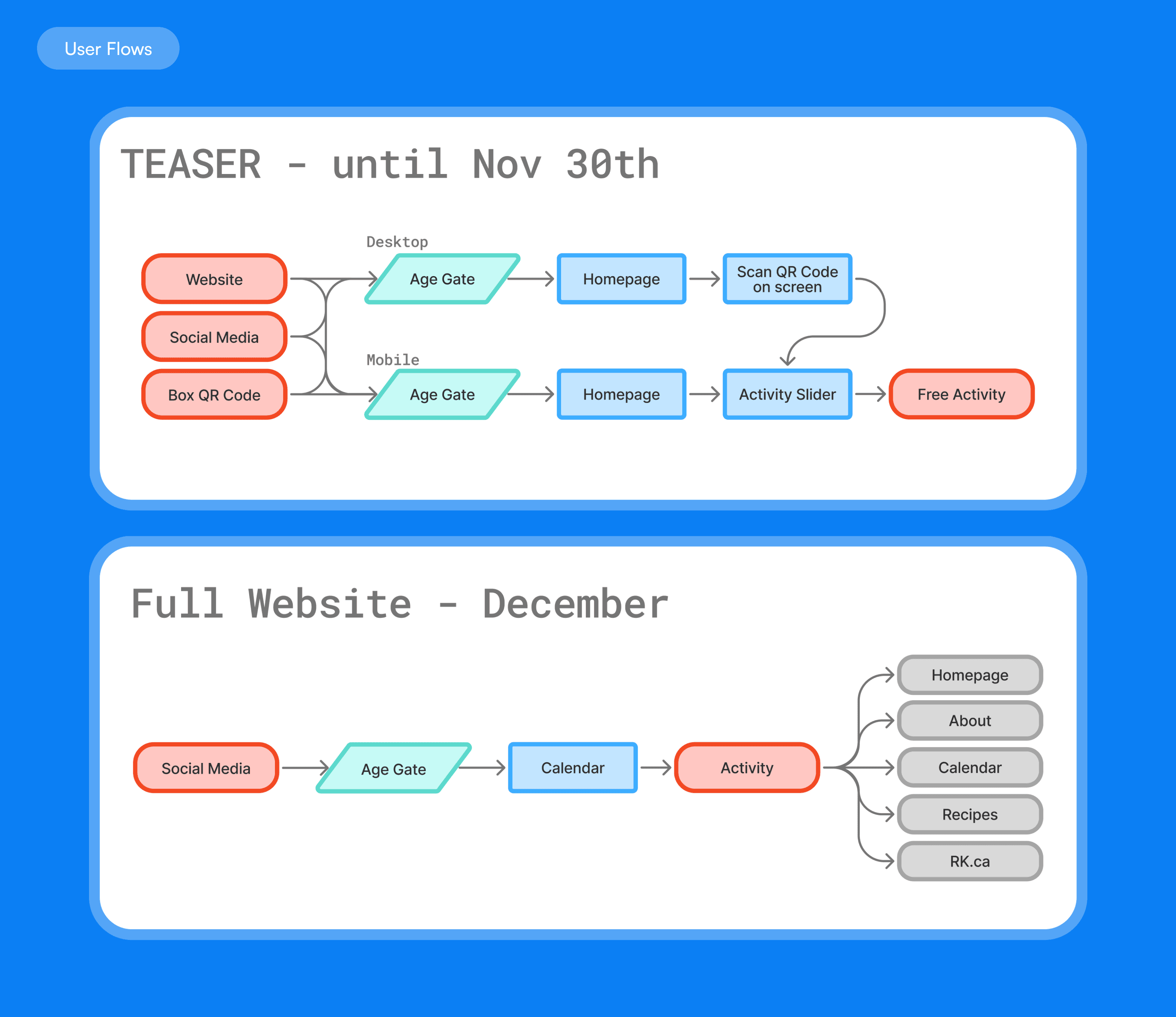
The 2021 flow violated a core use of a advent calendar: the experience of plucking the calendar day to get a "treat". Activities appeared immediately after age verification, with the calendar accessible only through a secondary icon. With a physical advent calendar, the ritual is essential, approaching the calendar, choosing the day, opening the window, discovering what's inside. The redesigned flow reversed this entirely: calendar as primary interface, interaction as requirement, activity as reward, matching the online experience with the real one.
Designing for anticipation
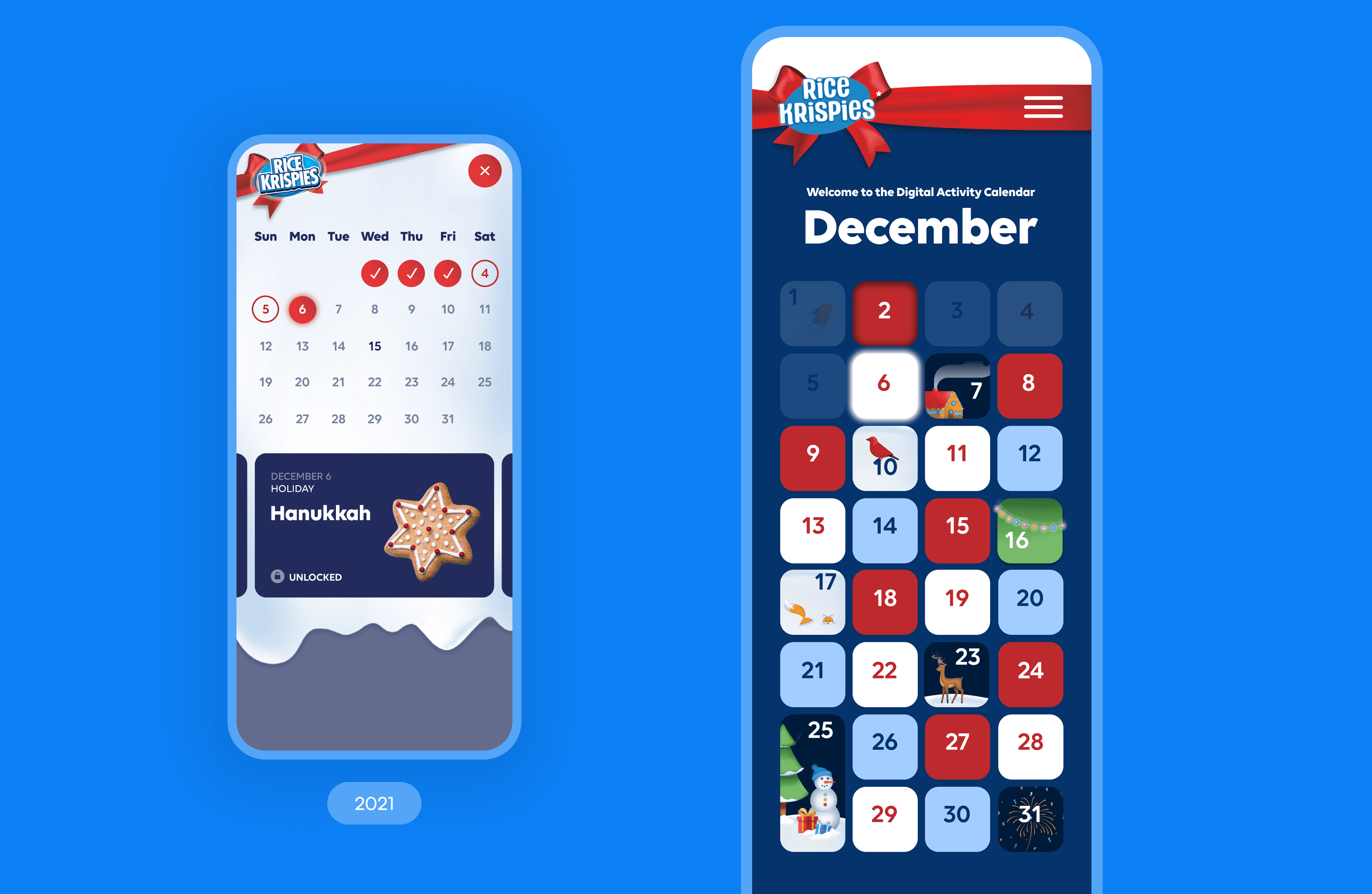
The 2021 calendar was a small, conventional grid, functional but uninspiring. Thinking of Fitts' Law, the redesign created a full-screen, whimsical interface with significantly larger touch targets, holiday illustrations, and clear visual states. Locked days felt inaccessible, current days invited interaction, completed days showed progress. The calendar transformed from a navigation tool into the emotional center of the experience.
Solving for expanded content
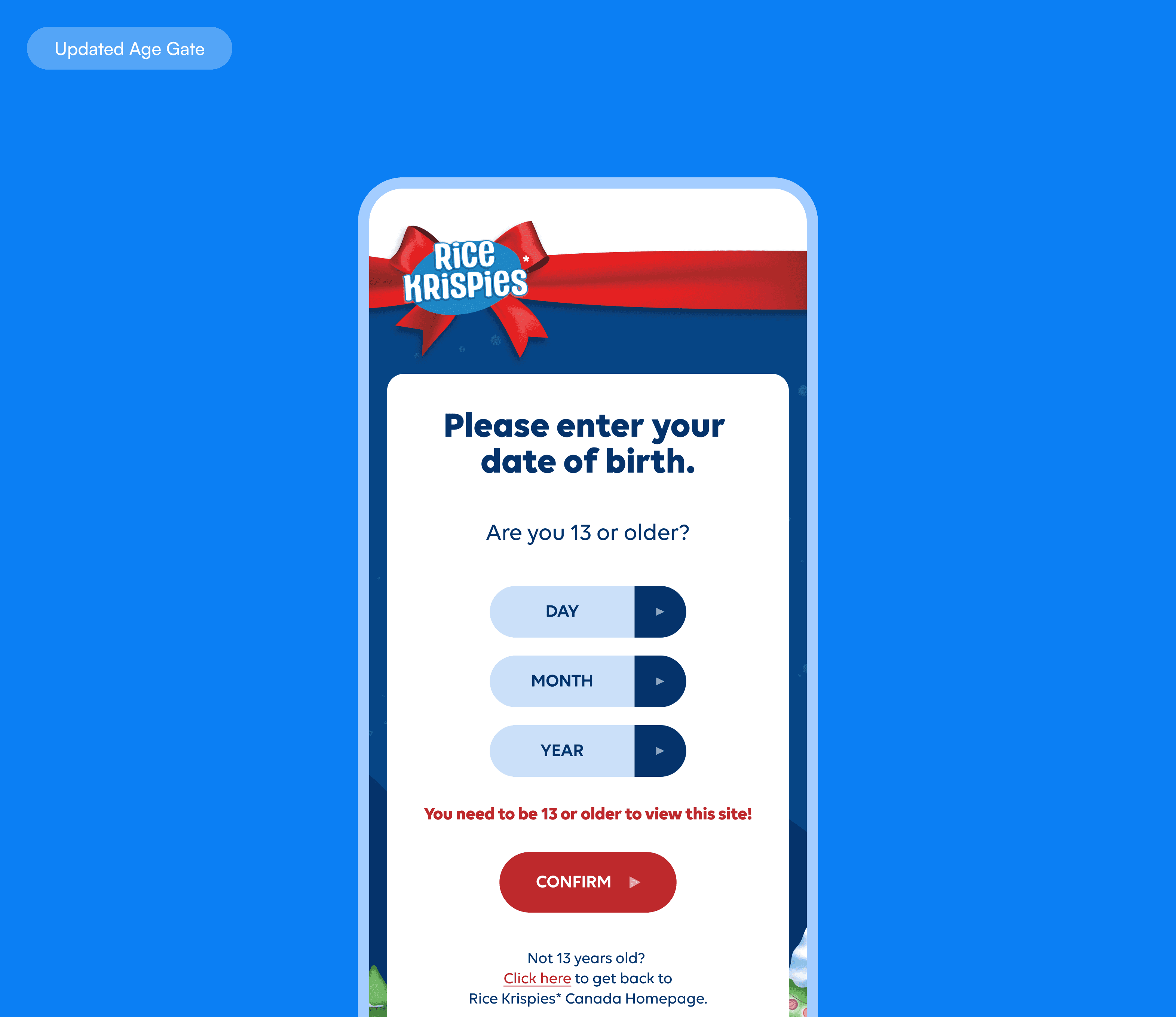
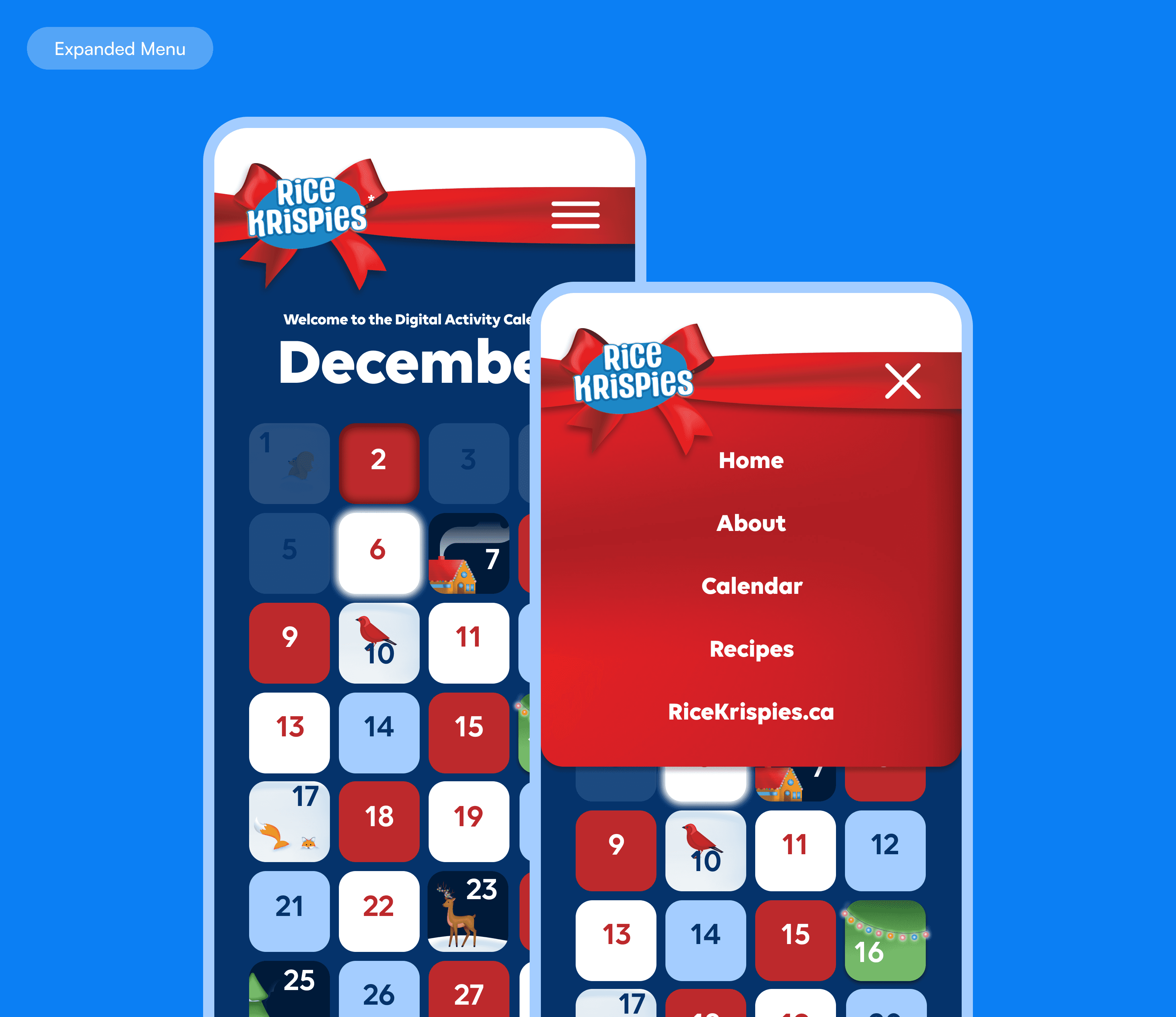
Recipe activities underperformed in 2021, creating an opportunity to elevate them to a dedicated page accessible through a new hamburger menu. The challenge was ensuring this expansion didn't dilute the calendar-first experience. The age gate was redesigned, replacing the non-compliant yes/no with month/day/year dropdowns and cookie-based memory to prevent daily re-verification.
Strategic presentation
Wireframes, user flows, and high-fidelity mockups of the new calendar interface were presented to stakeholders with clear rationale: the heuristic-driven flow reversal, the calendar redesign grounded in UX best practices and design thinking, and the strategic separation of recipes based on performance data.
The client expected a visual refresh. The deliverable was a fundamental rethinking of the experience architecture, rooted in user behaviour and design principles.